Maintaining a Fiberglass Pool with Saltwater. Saltwater pools have become increasingly popular, and it’s easy to see why: they’re gentle on the skin, easier to maintain, and offer a softer swimming experience. However, like any pool, saltwater systems require proper care to keep them in top condition. At DreamPools, we’ve spent years perfecting fiberglass pool maintenance, and we’re here to share our expert tips.
Here are the 10 most important things you need to know about Maintaining a Fiberglass Pool with Saltwater.
1. Monitor Chlorine Levels Regularly– Maintaining a Fiberglass Pool with Saltwater
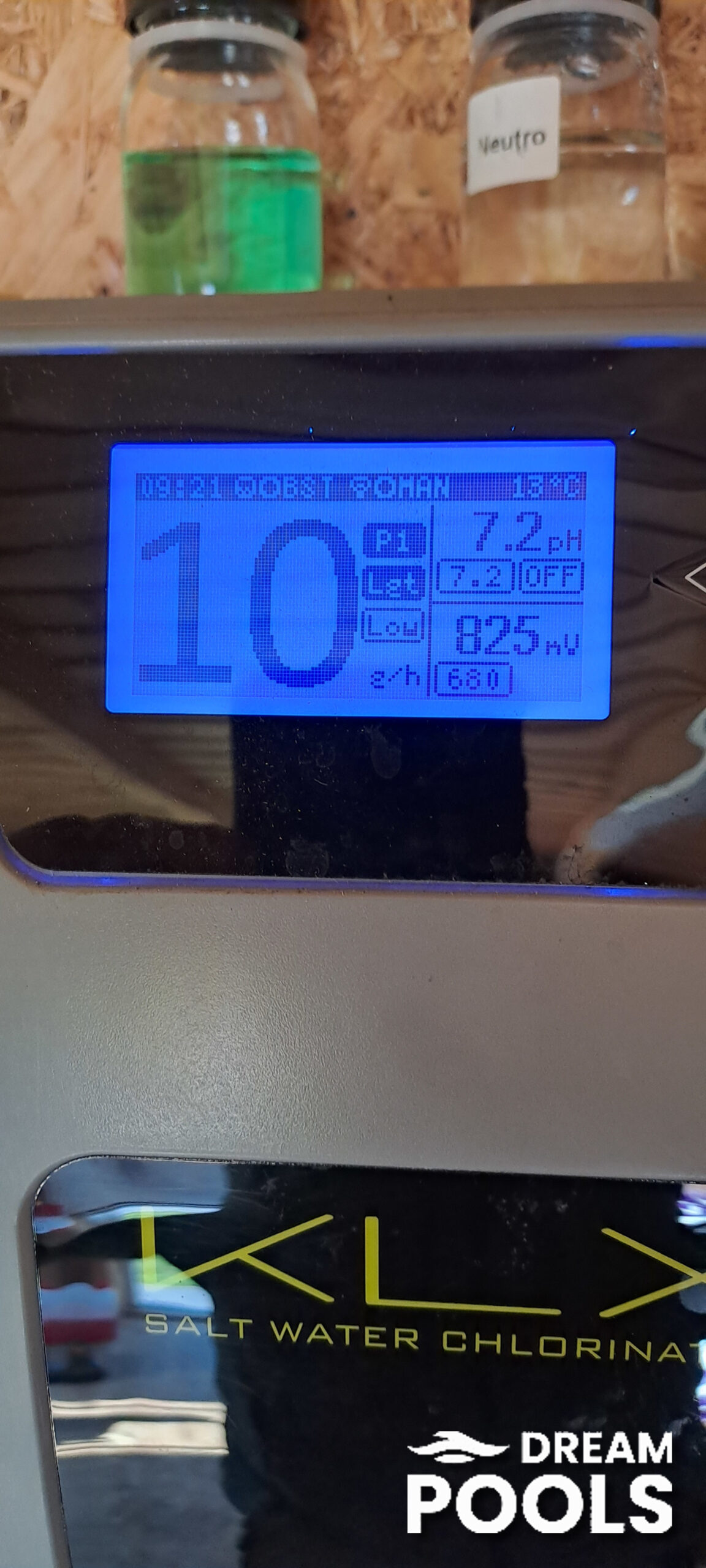
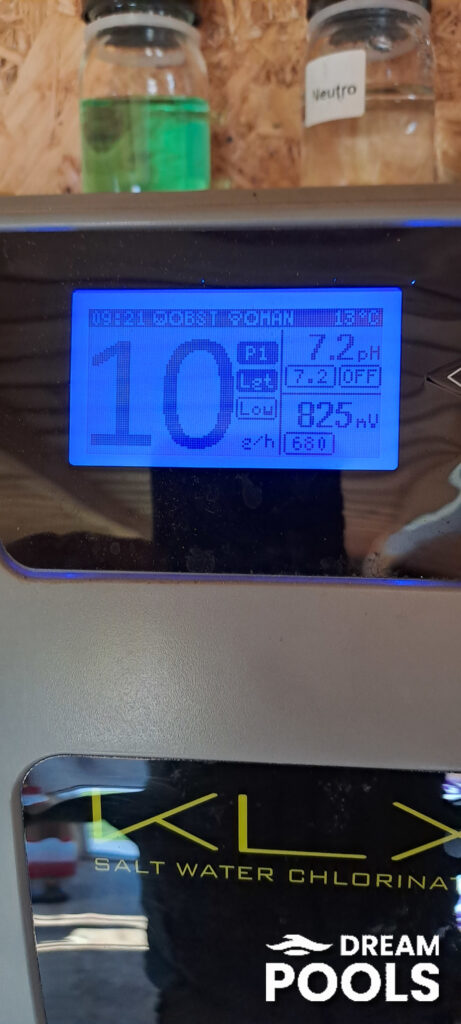
While saltwater pools don’t smell of chlorine like traditional pools, the salt system still generates chlorine to keep the water clean. Test free chlorine and pH levels weekly. Remember, just because you can’t smell chlorine doesn’t mean the levels are safe – over-chlorination can harm both your health and your pool. Automatic salt chlorinator works independently, but sometimes it is still worth doing a manual test.
Pro Tip: Set reminders on your phone to stay on top of weekly water testing.
2. Protect Your Pool Deck and enclosure
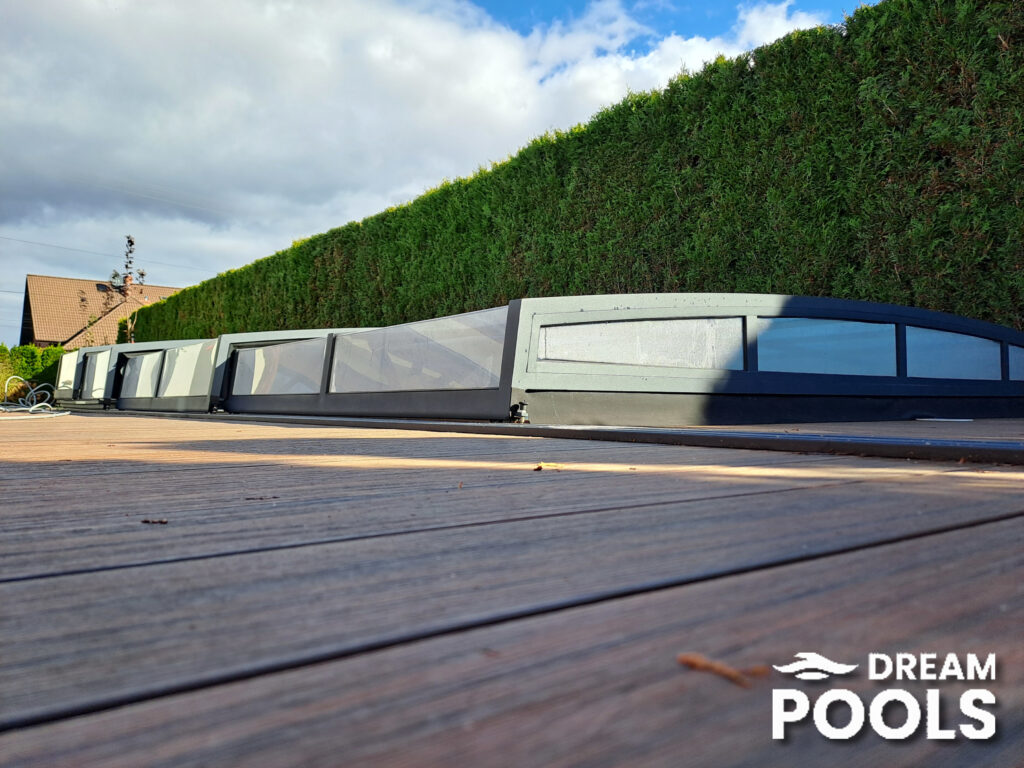
Salt is naturally corrosive and can damage concrete, wood, or stone surfaces around your pool. Rinse your pool deck weekly with fresh water to prevent salt buildup and protect your investment.
3. Inspect and Clean the Salt Cell – Maintaining a Fiberglass Pool with Saltwater
The salt cell converts salt into chlorine and is a critical component of the system. Every 30 to 90 days, check the salt cell for debris or mineral buildup. Use a pressure hose or a non-metal tool to remove deposits, or clean it with a diluted muriatic acid solution if needed. If handling acid feels daunting, hire a professional.
4. Manually Test Salt Levels
Digital salt readers are convenient, but they aren’t always accurate. To ensure proper salt levels, test manually once a month to confirm your system is operating correctly.
5. Care for Pool Tools and Accessories – Maintaining a Fiberglass Pool with Saltwater
Saltwater can accelerate wear and tear on metal equipment like skimmers and telescoping poles. Rinse and dry these tools after each use to extend their lifespan.
6. Use High-Quality Salt
Not all salt is created equal. Invest in high-purity, food-grade, granular, non-iodized pool salt. While higher-quality salt is more expensive, it helps maintain your system and prolong its life.
7. Ensure Proper Water Circulation
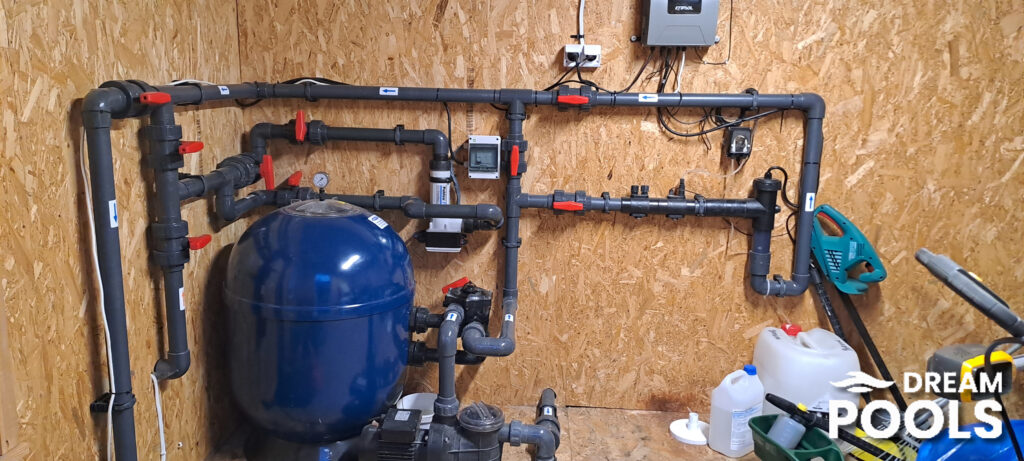
Good circulation is essential for an effective saltwater system. Poorly circulated areas may experience algae buildup or uneven salt concentrations. If you notice persistent algae or inconsistent readings, consult a professional to adjust your pool’s jets or reconfigure the circulation system.
8. Protect Nearby Plants and Grass
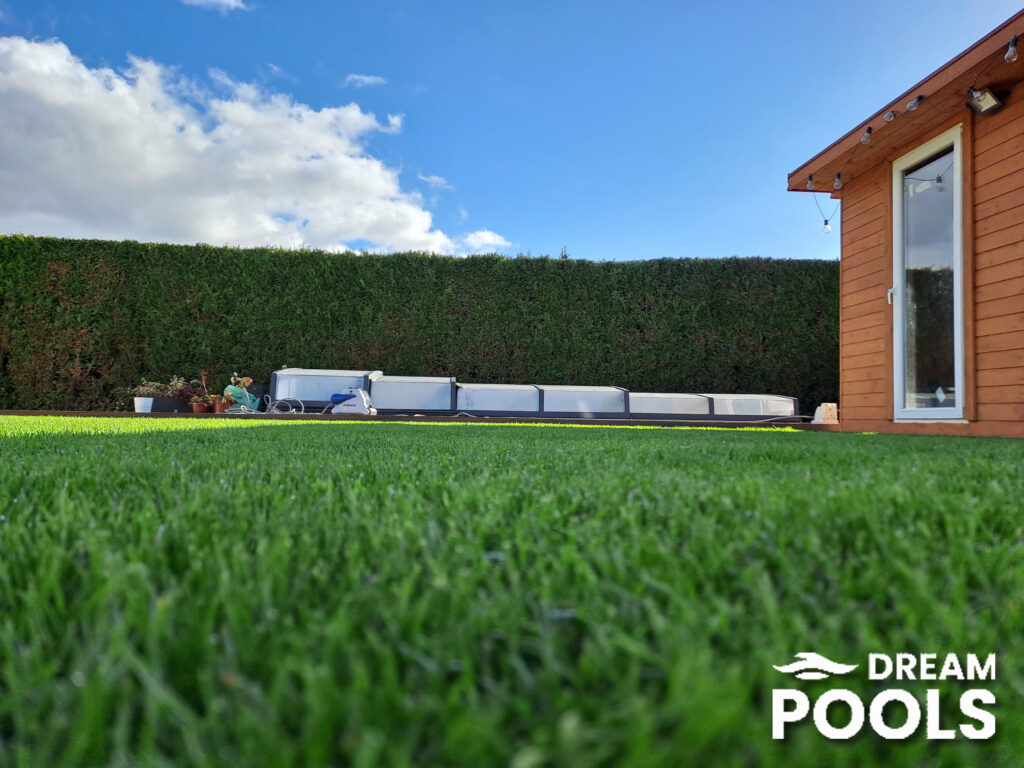
Saltwater can damage grass and plants near your pool. Avoid dumping pool water on your lawn, and minimize splashing in areas with sensitive vegetation.
9. Replace Components as Needed
Over time, parts of your saltwater system, like the salt cell and control board, will need replacement – typically every 3 to 7 years. Regular maintenance and inspections can help identify issues early and prevent larger problems.
10. Perform Monthly Chemistry Tests – Maintaining a Fiberglass Pool with Saltwater
In addition to weekly tests for pH and free chlorine, conduct a full chemistry check every month. Monitor alkalinity, calcium hardness, stabilizer (CYA), and salt levels to ensure balanced water chemistry.
Conclusion
A fiberglass saltwater pool is an excellent investment, offering many benefits when properly maintained. By following these tips, you’ll extend the life of your pool and enjoy crystal-clear water for years to come. If you have questions or need professional support, DreamPools is here to help.

DreamPools – Your Trusted Partner in Fiberglass Pools!